Let's talk about being prepared.
I'm not suggesting we all need to start building underground bunkers, buying camouflage clothing or turning the backyard into a scene from a zombie apocalypse movie but here's a question worth asking:
If something happened tomorrow and you couldn't leave your house for seven days, would your family be okay?
Think about that for a moment.
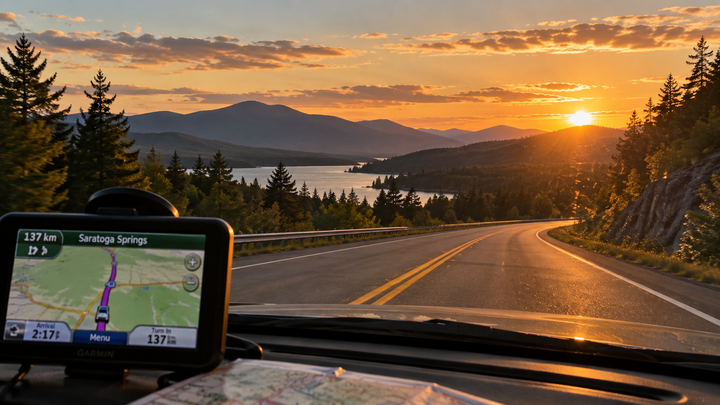
A major winter storm rolls up the Eastern seaboard and through Ontario headed East across Newfoundland. The power goes out, roads are closed, stores are shut down, gas stations aren't operating and your internet connection is about as useful as a chocolate teapot.
Or perhaps there's flooding, a wildfire, an extended power outage, a water advisory or some other emergency that disrupts everyday life.
Most of us are accustomed to being able to run to the grocery store whenever we need something. We turn on the tap for water, plug in our phones, heat the house and expect everything to work, until it doesn't.
The Government of Canada recommends that households be prepared to look after themselves for at least 72 hours. That's a good starting point, but I think it's worth going a little further.
This guide breaks emergency preparedness into three levels:
- 3 days (72 hours): The basic emergency kit.
- 7 days: A more comfortable level of household preparedness.
- 30 days: A longer-term household supply plan for more significant disruptions.
The goal is to build supplies gradually, use things you already own and avoid spending thousands of dollars buying equipment you'll never touch.
This is about being prepared, not paranoid.
First, how much do you actually need?
For this guide, we're planning for a family of four, with two adults and two school-aged children.
The quantities are household totals, not per-person shopping lists.
Water: Your most important supply
Let's start with the obvious one.
You can live without Netflix, Wi-Fi, reading this site and your morning coffee machine. Going without safe drinking water is a very different problem.
For planning purposes, I'm using 4 litres per person per day as a practical household water target. This provides a planning allowance for drinking, basic food preparation and limited hygiene.
| Preparedness level | Family of four |
|---|---|
| 3 days | 48 litres |
| 7 days | 112 litres |
| 30 days | 480 litres |
That's a lot of water and it's important to understand that 480 litres is not something most families can conveniently store in their basement. Longer-term preparedness needs a combination of stored water, safe alternative sources and a plan for treating water when appropriate.
Canada's federal guidance specifies at least 2 litres per person per day, with additional water recommended for cooking and cleaning. Ontario recommends 4 litres per person per day for emergency planning.
For this article, we're using the more conservative 4-litre figure.
What to have:
- Sealed bottled water.
- Food-grade water storage containers.
- Smaller bottles that children can handle.
- Water purification tablets or an appropriate filtration system.
- An unscented household bleach supply for situations where official guidance permits its use for water disinfection.
- A clean way to collect and transfer water.
Don't assume that boiling or filtering makes every contaminated water source safe. Follow public health instructions and use an appropriate treatment method for the specific contamination.
Food: Think about meals, not just calories
A cupboard full of canned beans is technically food storage. It doesn't necessarily make for a particularly enjoyable week. Think about what your family actually eats.
You'll want a mixture of:
- Breakfast foods.
- Lunch options.
- Dinner ingredients.
- Snacks.
- Foods that don't require refrigeration.
- Foods that require little or no cooking.
Don't forget allergies, dietary restrictions and the fact that children may be considerably less enthusiastic about eating emergency supplies than adults.
A good approach is to stock foods you already eat and rotate them through your normal grocery shopping.
The 3-day emergency kit (72 hours)
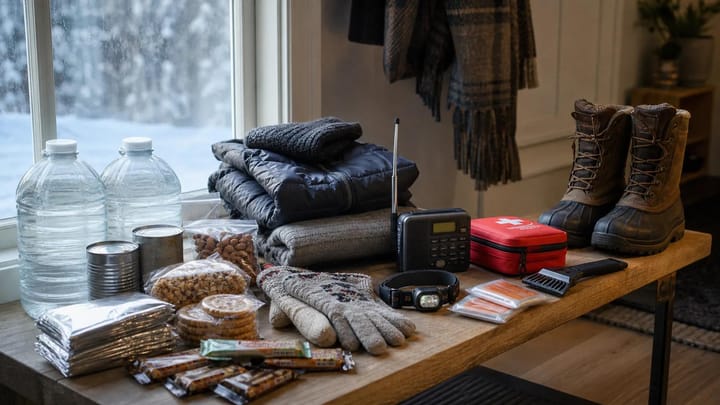
The essentials: enough supplies to get your family through the first three days.
This is where everyone should start. A three-day kit is intended to help your household manage an immediate emergency, whether you're staying home or need to leave quickly.
For a family of four, I'd aim for the following.
Water and beverages
- 48 litres of drinking and basic-use water.
- Smaller individual water bottles.
- Electrolyte replacement drinks or powder.
- Water purification tablets.
Food supplies
Aim for approximately 36 meals for four people, plus snacks.
Suggested supplies:
- 8 cans of soup, stew or chili.
- 4 cans of tuna, chicken or other protein.
- 2 jars of peanut butter or another shelf-stable spread.
- 1 large package of crackers.
- 1 package of oatmeal or instant breakfast.
- 1 package of cereal or granola.
- 2 packages of pasta or rice.
- Shelf-stable pasta sauce.
- Granola and protein bars.
- Dried fruit and nuts.
- Juice boxes or shelf-stable beverages.
- A few comfort foods and treats for the kids.
- Manual can opener.
- Disposable or reusable plates, cups and utensils.
These are starter quantities rather than a rigid meal plan. Adjust them to your family's appetite and dietary requirements.
First aid and medical supplies
- Properly stocked household first aid kit.
- Prescription medication and a plan for maintaining an appropriate reserve.
- Pain and fever medication suitable for each family member.
- Thermometer.
- Bandages, gauze and medical tape.
- Antiseptic wound cleanser.
- Disposable medical gloves.
- Antihistamines, if appropriate.
- Any essential medical devices and their backup supplies.
- Spare glasses or contact lenses.
- Copies of prescriptions and medication information.
Don't forget medications that someone in your family needs every day. A supply of food doesn't help much if you run out of something medically essential.
Lighting and communications
- 2 flashlights or headlamps.
- Extra batteries.
- Battery-powered or hand-crank emergency radio.
- 2 fully charged power banks.
- USB charging cables for family devices.
- Battery-powered lantern.
- Whistle.
- Paper copy of emergency contacts.
- A printed local map.
Hygiene and sanitation
- Toilet paper.
- Paper towels.
- Wet wipes.
- Hand sanitizer.
- Hand soap.
- Toothbrushes and toothpaste.
- Feminine hygiene products.
- Garbage bags.
- Zip-lock bags.
- Household cleaning supplies.
- Basic dishwashing supplies.
Clothing and warmth
- One complete change of clothing per person.
- Extra underwear and socks.
- Warm sweaters and fleece layers.
- Winter hats and gloves.
- Rain jackets.
- Four warm blankets.
- Sleeping bags if available.
- Sturdy footwear.
In Canada, I would pay particular attention to winter clothing. Losing power in July is inconvenient. Losing power during a January cold snap is a much bigger concern.
Documents and money
- Copies of identification for everyone.
- Health card information.
- Passport information.
- Home and vehicle insurance information.
- Emergency contact list.
- Copies of important medical information.
- Some cash in smaller bills.
- Spare house and vehicle keys.
- USB drive or encrypted backup containing important documents.
Keep sensitive documents protected and make sure you can access the information without relying on your home computer.
Other useful supplies
- Duct tape.
- Multi-tool.
- Work gloves.
- Scissors.
- Lighter and waterproof matches.
- Notepad and pens.
- Plastic sheeting.
- Basic sewing kit.
- Small fire extinguisher.
- N95 masks.
- Sunscreen and insect repellent.
The 7-day emergency supply (one week)
Moving from surviving the initial emergency to being reasonably comfortable for a full week.
Three days is a good starting point, but anyone who has experienced a major Canadian winter storm knows that three days can disappear pretty quickly.
At seven days, we're starting to think about maintaining a household rather than simply surviving an immediate disruption.
You should already have everything in the 3-day kit. The following are additional supplies to build on that foundation.
Water
Your seven-day target is 112 litres for the family.
- Increase stored water to 112 litres.
- Additional food-grade water containers.
- Larger water storage containers where practical.
- Water filter appropriate for the intended source.
- Additional water purification supplies.
- Separate containers for collecting untreated water.
Consider how you would obtain water if the municipal supply became unavailable.
If you have a well, think about how you would operate the pump without electricity.
If you rely on municipal water, identify a safe alternative source and understand local water advisories.
Food supplies
For a full week, you'll want more variety and more complete meals.
Additional shopping list:
- 4–6 additional cans of meat, fish or beans.
- 8–12 additional cans of vegetables.
- 8–12 additional cans of fruit.
- 4 additional cans of soup or stew.
- 2–4 kg of rice.
- 2 kg of pasta.
- Additional pasta sauce.
- Instant potatoes.
- Shelf-stable milk or powdered milk.
- Pancake mix.
- Cooking oil.
- Flour.
- Sugar.
- Salt and basic spices.
- Instant coffee and tea.
- Additional breakfast foods.
- Additional snacks and treats.
Consider adding foods that can be eaten without cooking. If you have no electricity or safe cooking option, those foods become particularly valuable.
Cooking without electricity
This is one area many people overlook. You might have plenty of food in your house, but how are you going to prepare it?
Additional supplies:
- Camping stove or approved outdoor cooking appliance.
- Appropriate fuel.
- Spare lighter and matches.
- Cooking pot.
- Frying pan.
- Metal utensils.
- Reusable plates and cups.
- Dishwashing basin.
- Manual kitchen tools.
Power and charging
A week without electricity could become a significant inconvenience. Think about what your household actually needs to keep operating.
- Additional high-capacity power banks.
- Portable power station.
- Compatible solar charging panel.
- Additional charging cables.
- Rechargeable batteries.
- Battery charger.
- Extra batteries for flashlights and radios.
- Portable DC lighting.
If you have a portable power station, understand its actual capacity and what it can realistically operate.
A small power station might keep phones, lights and a laptop running. It probably won't run your electric furnace, oven and refrigerator for a week.
Heating and winter preparedness
This is particularly important for Canadian households.
- Additional blankets.
- Thermal base layers.
- Hand and foot warmers.
- Insulated sleeping bags.
- Extra winter clothing.
- Weather stripping for doors and windows.
- Window insulation film.
- Fireplace or wood-stove supplies, if applicable.
- Carbon monoxide detectors with working backup batteries.
- Smoke detectors with working backup batteries.
Sanitation and household supplies
- Additional garbage bags.
- Heavy-duty contractor bags.
- Additional toilet paper.
- Personal hygiene supplies.
- Disinfectant.
- Paper towels.
- Laundry detergent.
- Disposable gloves.
- Basic cleaning supplies.
- A plan for managing household waste if water and sewer services are interrupted.
Entertainment and family comfort
A week without the usual routine can be tough on everyone, especially children.
- Board games.
- Playing cards.
- Books.
- Puzzles.
- Colouring supplies.
- Downloaded movies and shows.
- Downloaded music.
- Offline games.
- Books or activities that don't require batteries.
You don't want to discover on day four that everyone is bored, frustrated and fighting over the last working tablet.
The 30-day household preparedness plan
This is where preparation becomes a household strategy rather than simply a collection of emergency supplies.
Thirty days is a different level of preparedness. We're no longer just talking about having extra cans of soup in the basement. We're talking about how your family would manage an extended disruption to normal services.
Think about prolonged power outages, serious infrastructure disruptions, extended road closures, severe weather or other emergencies.
For this level, I would focus on building a rotating household supply rather than trying to purchase everything at once.
Water: A realistic long-term plan
For four people, 30 days at 4 litres per person per day works out to 480 litres. That's a substantial amount of water.
Rather than assuming you can store all of it, build a combination of:
- A practical reserve of sealed drinking water.
- Larger food-grade water storage containers.
- An appropriate gravity or portable water filtration system.
- Backup purification supplies.
- Clean collection containers.
- A plan for accessing safe alternative water.
- Knowledge of local water restrictions and emergency advisories.
If you have a well, investigate a backup power solution for the pump.
If you're on municipal water, don't assume it will continue working during a prolonged emergency.
Your water plan should identify where water comes from, how it is transported, how it is treated and how it is stored.
Food: A proper 30-day pantry
For a family of four, you're planning approximately 360 meals, plus snacks.
The following is a suggested starting inventory, not a nutritionally complete prescription. Adjust it for your family's actual calorie requirements, allergies and preferences.
Protein:
- 20–30 cans of tuna, chicken or salmon.
- 15–20 cans of beans and lentils.
- 2–4 kg of dried lentils and beans.
- 2 large jars of peanut butter.
- Shelf-stable protein options.
- Additional canned meat.
- Nuts and seeds.
Carbohydrates and staples:
- 8–10 kg of rice.
- 5–6 kg of pasta.
- 3–4 kg of oatmeal.
- 3–4 kg of flour or suitable baking mixes.
- 2–3 kg of instant potatoes.
- Crackers.
- Breakfast cereal.
- Pancake mix.
- Granola and energy bars.
Vegetables and fruit:
- 20–30 cans of vegetables.
- 15–20 cans of fruit.
- Dried fruit.
- Applesauce.
- Shelf-stable vegetable products.
- Dehydrated vegetables.
Cooking and flavour:
- Cooking oil.
- Salt.
- Sugar.
- Honey.
- Basic spices.
- Soup stock and bouillon.
- Shelf-stable milk.
- Coffee and tea.
- Baking supplies.
- Condiments.
Comfort foods:
Don't underestimate the importance of familiar food.
- Chocolate.
- Cookies.
- Favourite snacks.
- Hot chocolate.
- Favourite drinks.
- A few special treats for the kids.
A month of emergency food doesn't need to feel like a month in a prison cafeteria.
Power: Keeping the household running
This is where your longer-term planning starts to matter. Consider the electrical requirements of your home. What actually needs power?
For most families, I'd prioritize:
- Medical equipment.
- Communications.
- Lighting.
- Refrigeration and food safety.
- Water pumps, if applicable.
- Essential heating controls.
- Computers and other necessary equipment.
Potential equipment:
- Larger portable power station.
- Compatible solar panels.
- Backup battery system.
- Generator, if appropriate.
- Approved generator transfer equipment installed by a qualified electrician.
- Fuel storage that complies with local fire and safety regulations.
- Battery-powered lighting.
- Rechargeable batteries.
- Spare charging cables.
- A low-power communications setup.
Heating and cold-weather survival
Canadian winters deserve their own plan. If your furnace stops working, what happens?
Depending on your home, you might have only a limited amount of time before indoor temperatures become uncomfortable or unsafe.
Think about:
- A safe, approved alternative heat source.
- Properly maintained fireplace or wood stove, if applicable.
- Adequate fuel for that heating source.
- Additional insulation and weather stripping.
- Window insulation.
- Thermal curtains.
- Sleeping bags rated for appropriate temperatures.
- Extra blankets.
- Warm clothing for all family members.
- Working carbon monoxide detectors.
- A plan to relocate if the home becomes unsafe.
Don't assume that a generator or portable power station will solve your heating problem. Electric heating equipment can consume enormous amounts of power.
Medical and personal care
For a month-long disruption, you need to think beyond the first aid kit.
- Maintain an appropriate reserve of prescription medication, where permitted.
- Copies of prescriptions.
- First aid replenishment supplies.
- Basic wound-care supplies.
- Personal hygiene products.
- Menstrual supplies.
- Spare glasses.
- Dental care supplies.
- Additional masks and gloves.
- Any necessary medical equipment.
- Backup power for essential medical devices.
- Contact information for pharmacies and healthcare providers.
Speak with your pharmacist and healthcare provider about safe medication storage and how to arrange emergency refills.
Sanitation and waste management
It's not the most exciting part of preparedness, but it's one of the most important.
If municipal water or sewer services are interrupted, sanitation becomes a serious concern.
- Additional toilet paper.
- Heavy-duty garbage bags.
- Contractor bags.
- Disposable gloves.
- Hand sanitizer.
- Disinfectant.
- Cleaning supplies.
- Paper towels.
- Soap.
- A suitable emergency toilet or sanitation solution.
- Supplies for safe waste containment and disposal.
Understand that an emergency toilet is not automatically a safe replacement for your household plumbing. Follow public health guidance for waste disposal.
Communications and information
If the internet and mobile networks become unavailable, how will you receive information?
- Battery-powered or crank radio.
- Additional batteries.
- Fully charged power banks.
- Solar charging equipment.
- Printed emergency contacts.
- Printed maps.
- Downloaded offline maps.
- Downloaded important documents.
- Family communication plan.
- A designated out-of-area contact.
Consider learning how to use a radio properly and understanding which local emergency broadcast services are available in your area.
Home maintenance and repair supplies
An extended emergency can expose all sorts of small problems around the house.
- Basic tool kit.
- Duct tape.
- Electrical tape.
- Plumbing repair supplies.
- Assorted screws and fasteners.
- Work gloves.
- Tarpaulins.
- Plastic sheeting.
- Rope and paracord.
- Flashlights.
- Spare fuses where applicable.
- Fire extinguisher.
- Smoke and carbon monoxide detector batteries.
You don't need a professional contractor's workshop, but being able to make a temporary repair can be extremely useful.
Don't forget the vehicle
In Canada, your vehicle deserves its own emergency kit. You might be perfectly prepared at home, but an emergency can happen while you're travelling, commuting or picking up the kids and if you've ever been stuck on an Ontario highway during a snowstorm, you'll understand why this matters.
For each vehicle, I recommend keeping:
- Blanket or sleeping bag.
- Warm jacket.
- Extra gloves and socks.
- Winter hat and boots.
- Bottled water, with room for freezing expansion.
- Non-perishable snacks.
- Flashlight.
- Extra batteries.
- Portable phone charger.
- Jumper cables or a jump starter.
- Small shovel.
- Ice scraper and snow brush.
- Traction material such as sand or kitty litter.
- First aid kit.
- Reflective safety triangles.
- Work gloves.
- Seatbelt cutter and window breaker.
- Roadside assistance information.
- Basic tool kit.
- Windshield washer fluid rated for winter temperatures.
- Emergency contact information.
For winter driving, keep the fuel tank reasonably full and don't rely on being able to find an open gas station during a storm.
Never run a vehicle inside a garage, even with the garage door open.
Technology and the modern Canadian household
This is one area I think gets overlooked in traditional emergency preparedness guides. Most households depend on technology for almost everything.
Banking, communications, entertainment, work, security, home automation and even heating systems can rely on internet connectivity or electricity.
Internet and communications
- Keep important information available offline.
- Download maps for your local area.
- Save copies of insurance and identification documents.
- Keep emergency contacts on paper.
- Have an independent way to receive emergency broadcasts.
 Adam Sooley
Home network and technology
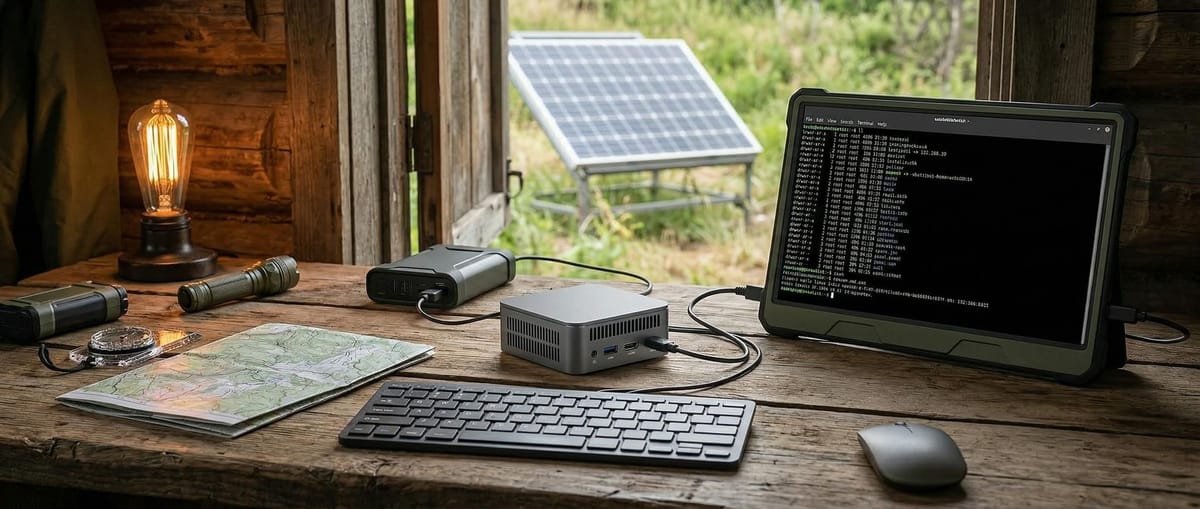
If you run a home server, network equipment or smart home system, consider:
- A UPS for critical network equipment.
- A backup of important family documents.
- Offline copies of essential information.
- A separate backup of important photographs.
- A plan for shutting down equipment safely.
- A way to operate essential household systems manually.
Your home server might be the most interesting thing in your house, but it isn't necessarily the most important thing to keep running during an emergency.
Financial preparedness
Don't forget that electronic payments may become unavailable.
Consider having:
- Cash in small denominations.
- A secondary payment method.
- A small emergency fund.
- Copies of important insurance documents.
- A list of essential account and policy contacts.
Don't store passwords or banking credentials in an unsecured emergency folder.
Make a family emergency plan
Supplies are only half the equation. Your family needs to know what to do.
Sit down together and talk through a few scenarios.
What happens if everyone is separated?
What if an emergency happens while the kids are at school and the adults are at work?
- Where do you meet?
- Who picks up the children?
- Who is the backup contact?
- What happens if phone service is unavailable?
Establish meeting locations
Have at least two meeting locations:
- Somewhere close to home.
- Somewhere outside your immediate neighbourhood.
Choose an out-of-area contact who can help relay messages if local communications are disrupted.
Know your home
Everyone old enough should know:
- Where the emergency supplies are kept.
- Where the main electrical panel is.
- How to shut off the water.
- How to recognize a natural gas emergency, if applicable.
- Where the fire extinguishers are.
- Where to meet outside during a fire.
- How to safely leave the house.
Only teach household members to operate shutoffs or equipment appropriate to their age and ability.
Think about pets
If you have pets, include them in your planning.
- Food.
- Water.
- Medication.
- Leash or carrier.
- Waste bags or litter.
- Veterinary records.
- Identification information.
- A plan for temporary accommodation.
An emergency evacuation plan that doesn't include your pets isn't a complete family plan.
Canadian specific things worth preparing for
Canada isn't exactly short on interesting weather. Depending on where you live, your biggest risks may look very different.
| Emergency | What to prepare for |
|---|---|
| Winter storms | Heating, food, water, winter clothing and vehicle supplies |
| Extended power outages | Backup lighting, power, communications and food safety |
| Flooding | Evacuation bags, document protection and water contamination |
| Wildfires | Evacuation routes, masks, communications and vehicle readiness |
| Extreme heat | Drinking water, cooling, medications and backup power |
| Ice storms | Heating, tree damage, road closures and extended outages |
| Water advisories | Stored water, safe alternatives and purification guidance |
Check your municipality and provincial or territorial emergency management resources to understand the hazards that are most relevant to your area.
For example, Ontario residents should be familiar with winter storm warnings, flooding risks, emergency alerts and local evacuation procedures.
Also consider seasonal adjustments. Your emergency kit in January should not look exactly like your emergency kit in July.
How to build your emergency supplies without breaking the bank
Here's where I would take a practical approach. You don't need to go out tomorrow and spend $2,000 on emergency supplies, build the kit gradually.
Week 1: Cover the basics
- Buy or organize your first 48 litres of water.
- Gather non-perishable food.
- Purchase a manual can opener.
- Organize a first aid kit.
- Find flashlights and batteries.
Week 2: Add communications and safety
- Purchase a radio.
- Add power banks.
- Organize important documents.
- Put together an emergency contact list.
- Gather blankets and spare clothing.
Week 3: Think about cooking and sanitation
- Add a suitable outdoor cooking solution.
- Purchase additional food.
- Add hygiene products.
- Organize waste-management supplies.
- Check your smoke and carbon monoxide detectors.
Week 4: Start expanding to seven days
- Increase food and water supplies.
- Add winter-specific equipment.
- Review your vehicle kits.
- Look at backup power options.
- Discuss the emergency plan with everyone in the household.
Once the first three days are covered, continue building towards seven and eventually 30 days.
Buy things you already use. Rotate your stock. Replace what you consume.
The best emergency supply is one that doesn't expire unnoticed in the basement.
Your emergency preparedness maintenance schedule
Preparedness isn't something you do once and forget about. I'd recommend reviewing everything twice a year. A good reminder is when we change the clocks in spring and fall.
| Task | How often |
|---|---|
| Check food expiry dates | Every 6 months |
| Check stored water | According to storage guidance and manufacturer instructions |
| Check power banks | Every 3–6 months |
| Test flashlights and radios | Every 6 months |
| Check prescription supplies | Monthly |
| Test smoke and CO detectors | According to manufacturer instructions |
| Review family contact information | Every 6 months |
| Review insurance documents | Annually |
| Check vehicle emergency kits | Before each winter |
| Review the family evacuation plan | Annually |
Also remember to replace anything you've used. An emergency kit that was missing half its supplies after the last power outage isn't much of an emergency kit anymore.
The bottom line
Nobody knows when the next major storm, power outage, flood or other emergency will happen and nobody needs to spend a fortune preparing for every possible scenario.
But having enough food, water, medication, lighting, warmth and information to look after your family for a few days is just common sense.
If you take one thing away from this article, make it this:
Start with three days. Build towards seven. Work towards 30.
You don't have to do everything at once, you just have to start.
Because when the grocery stores are closed, the roads are impassable and the power has been out for two days, you'll be glad you did and if nothing ever happens?
Well, congratulations. You've got a well-stocked pantry, some extra batteries and enough toilet paper to survive a particularly enthusiastic Costco shopper.
Not exactly a bad investment.
Additional Canadian resources
If you want to take your preparation further, these are good places to start:
- Government of Canada – Get Prepared
- Government of Canada – Emergency Kit Checklist
- Ontario – Be Prepared for an Emergency
- Canadian Red Cross – Build an Emergency Kit
- Health Canada – Food and Drinking Water Safety in an Emergency
A final reminder: Emergency preparedness recommendations vary by region and situation. Follow local emergency management and public health instructions during an actual emergency. A supply kit is not a substitute for evacuating when authorities tell you to leave.
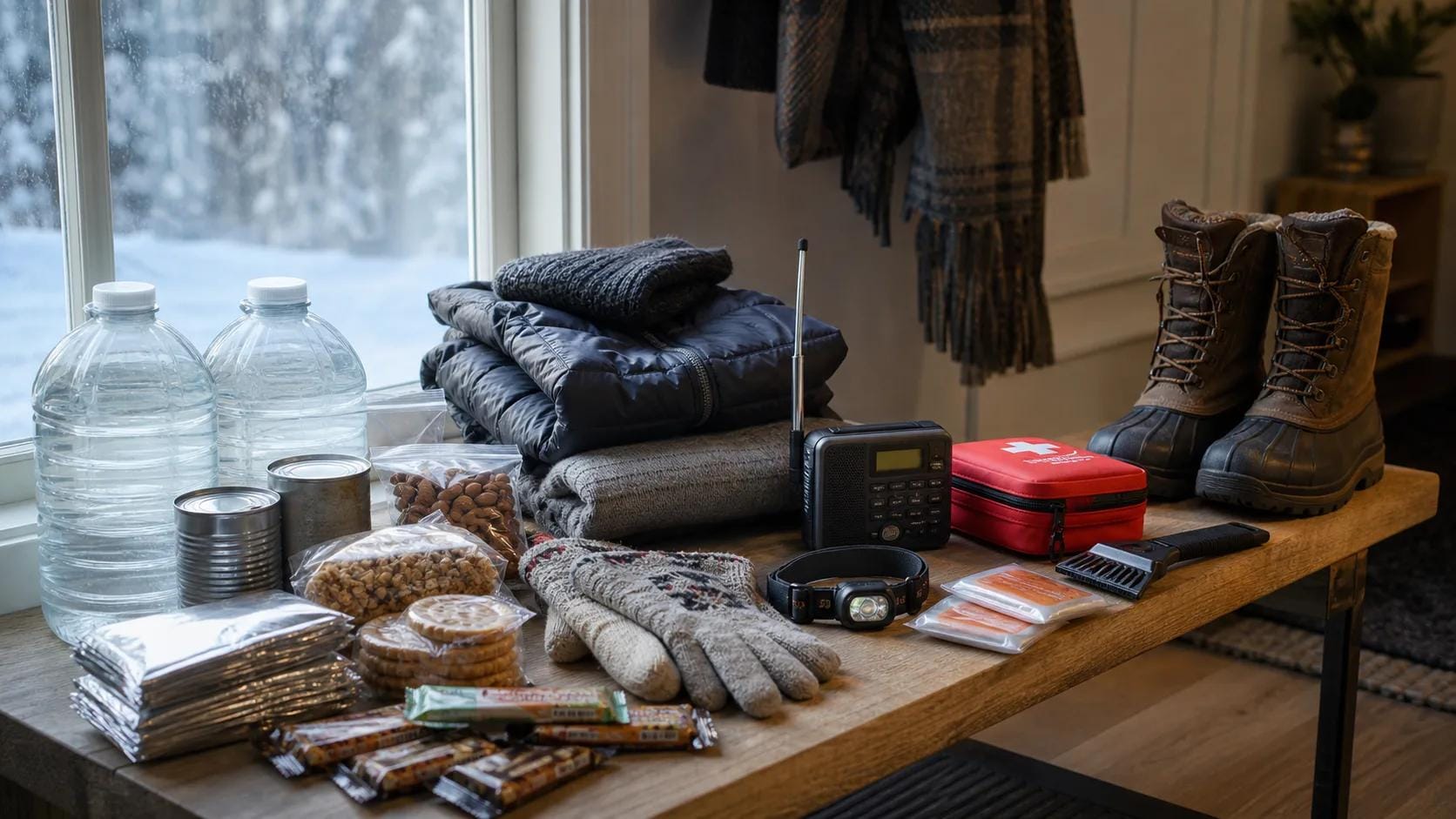
Getting prepared doesn't have to mean spending a fortune or buying everything at once. I've put together an Amazon list of emergency preparedness essentials to help you build your family's 3, 7 and 30-day supplies, from water storage and first aid kits to flashlights, power banks and other useful gear. Have a look, pick up what you need and start preparing one item at a time.
I'll keep adding more items to this list as I find good items to add.
As an Amazon Associate, I earn from qualifying purchases.