Most homeowners don't think about their hot water tank until they wake up to a cold shower. The reality is that a little preventative maintenance can add years to the life of your water heater and help it run more efficiently. Two of the most important maintenance tasks are flushing sediment from the tank and replacing the anode rod. I've never done this before and since my fu*k1n 10 year Ontario water rental is coming to an end, I though I should do it now before the rental/maintenance agreement runs out and I own it and these simple tasks can save hundreds, if not thousands in premature replacement costs. Additionally, I figured if a plumber can do it, anyone can (a little dig towards my brother). 😂
First hand experience note: Make sure all the pressure is out of the tank and the water temperature is cooled down before removing the anode rod no matter what order you do this in. I got a quick shower when I thought I removed all the pressure, but I didn't.
How to Flush Your Gas Hot Water Tank
Why Flush Your Water Heater?
Over time, minerals and sediment from your water supply settle at the bottom of the tank. This buildup can:
- Reduce heating efficiency
- Increase energy costs
- Cause popping or rumbling noises
- Shorten the lifespan of the tank
- Reduce the amount of available hot water
Flushing the tank once a year helps remove this sediment and keeps everything running smoothly.
How to Flush a Gas Hot Water Tank
What You'll Need
- Garden hose (#adRevenue)
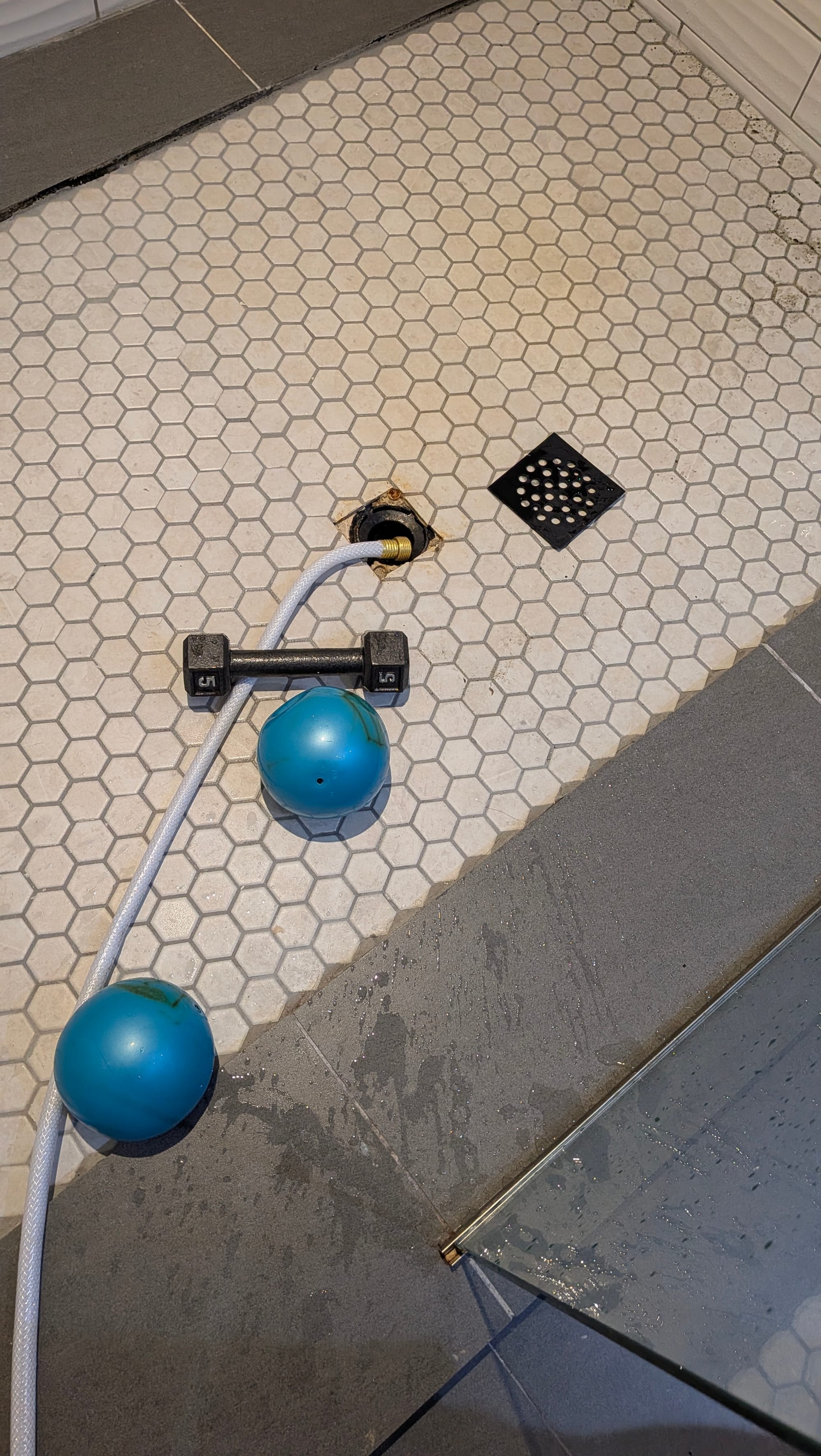
- Bucket or nearby drain (I ran the hose to a basement shower)
- Adjustable wrench, screw driver
Step 1: Turn Off the Gas
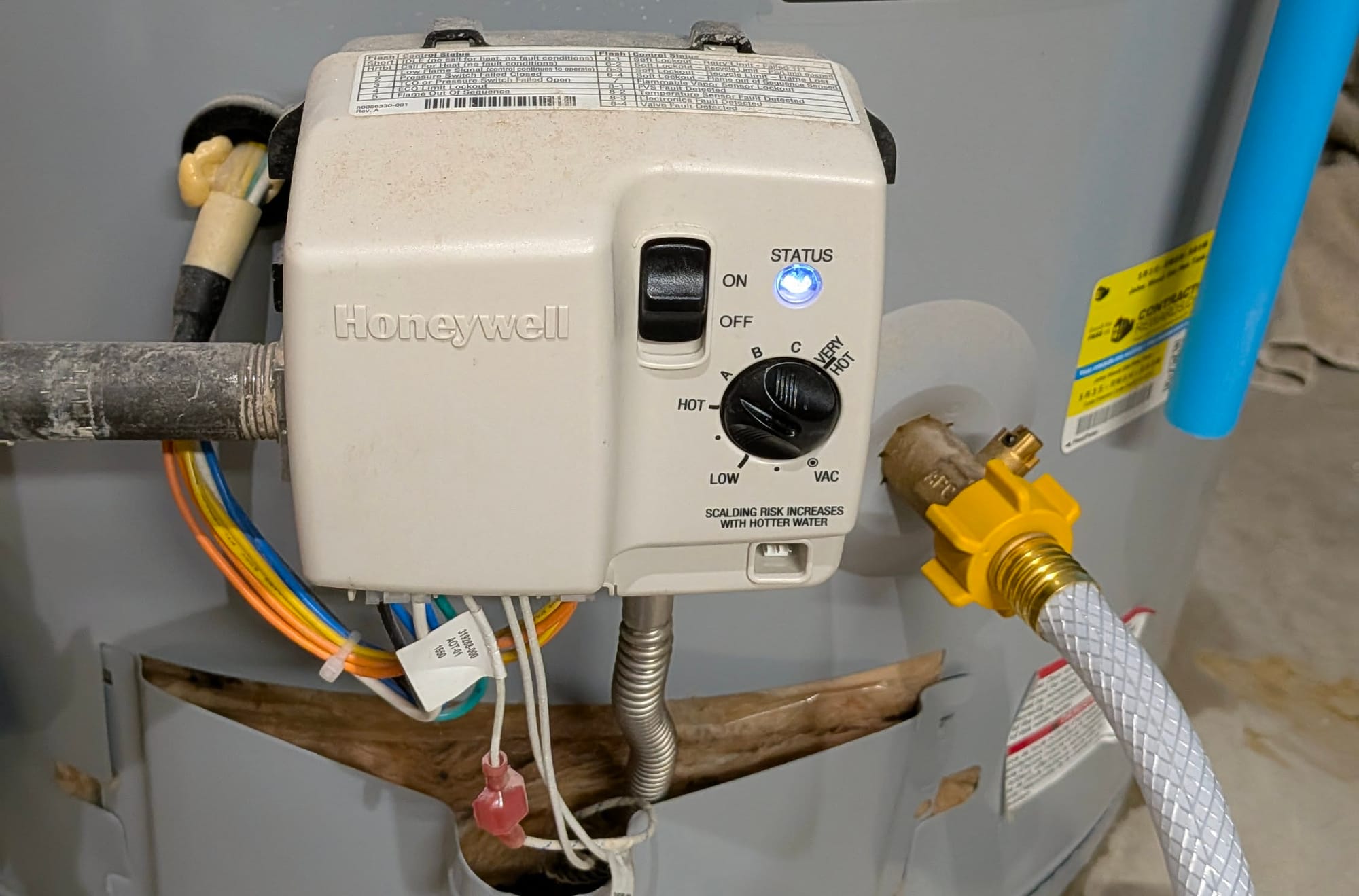
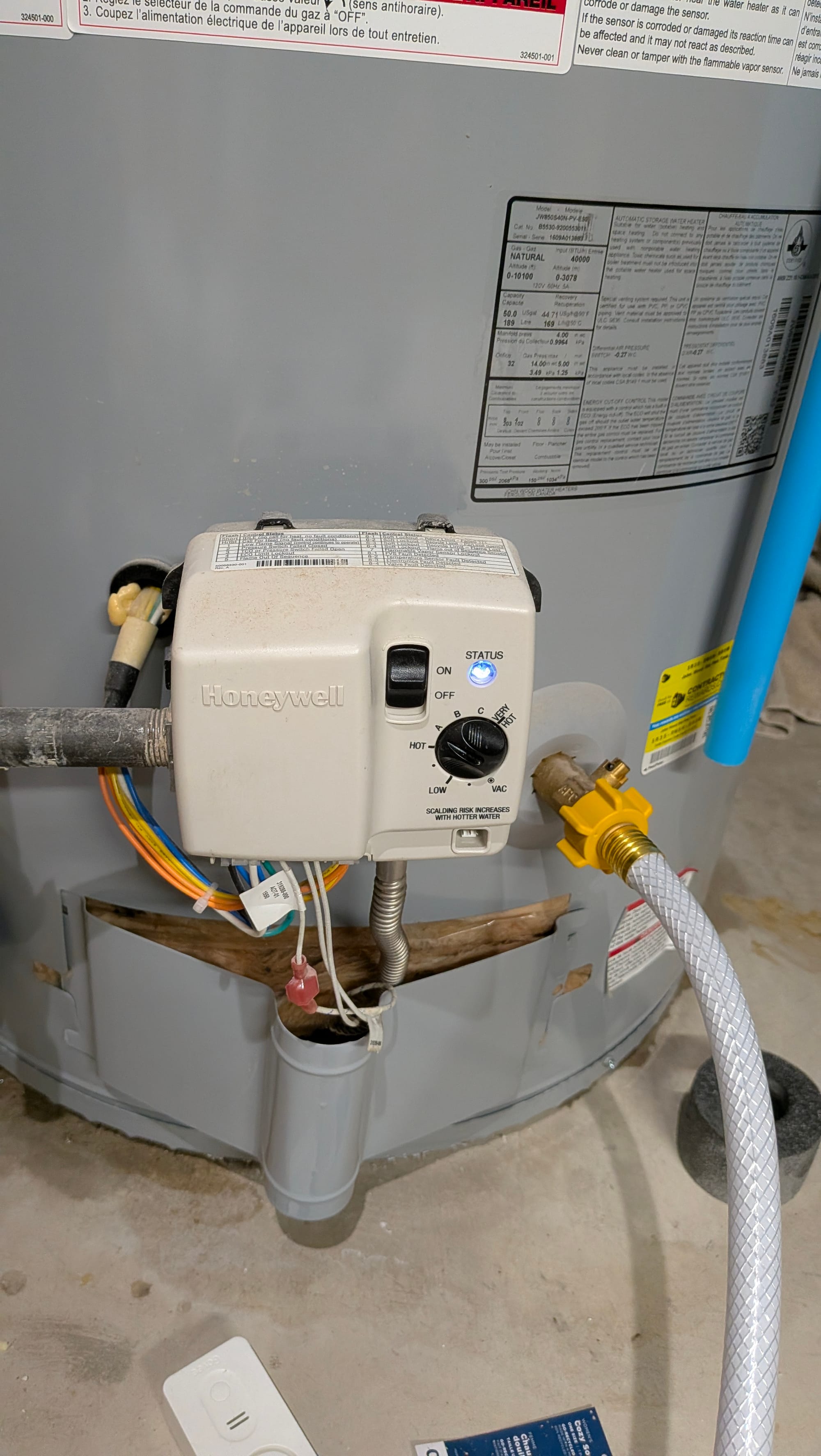
Set the gas control valve to Pilot or Off. This prevents the burner from firing while the tank is partially drained.
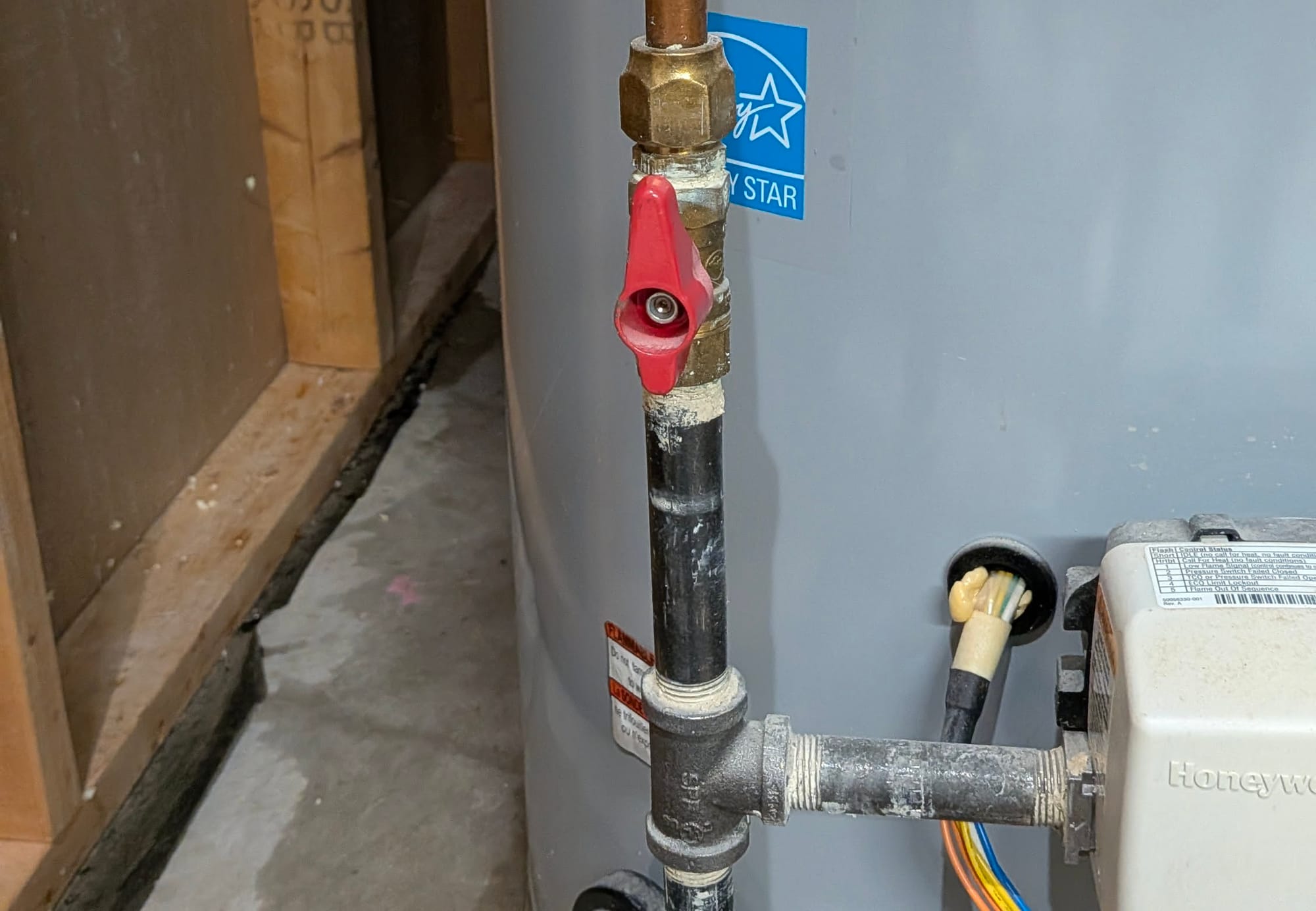
Step 2: Turn Off the Cold Water Supply
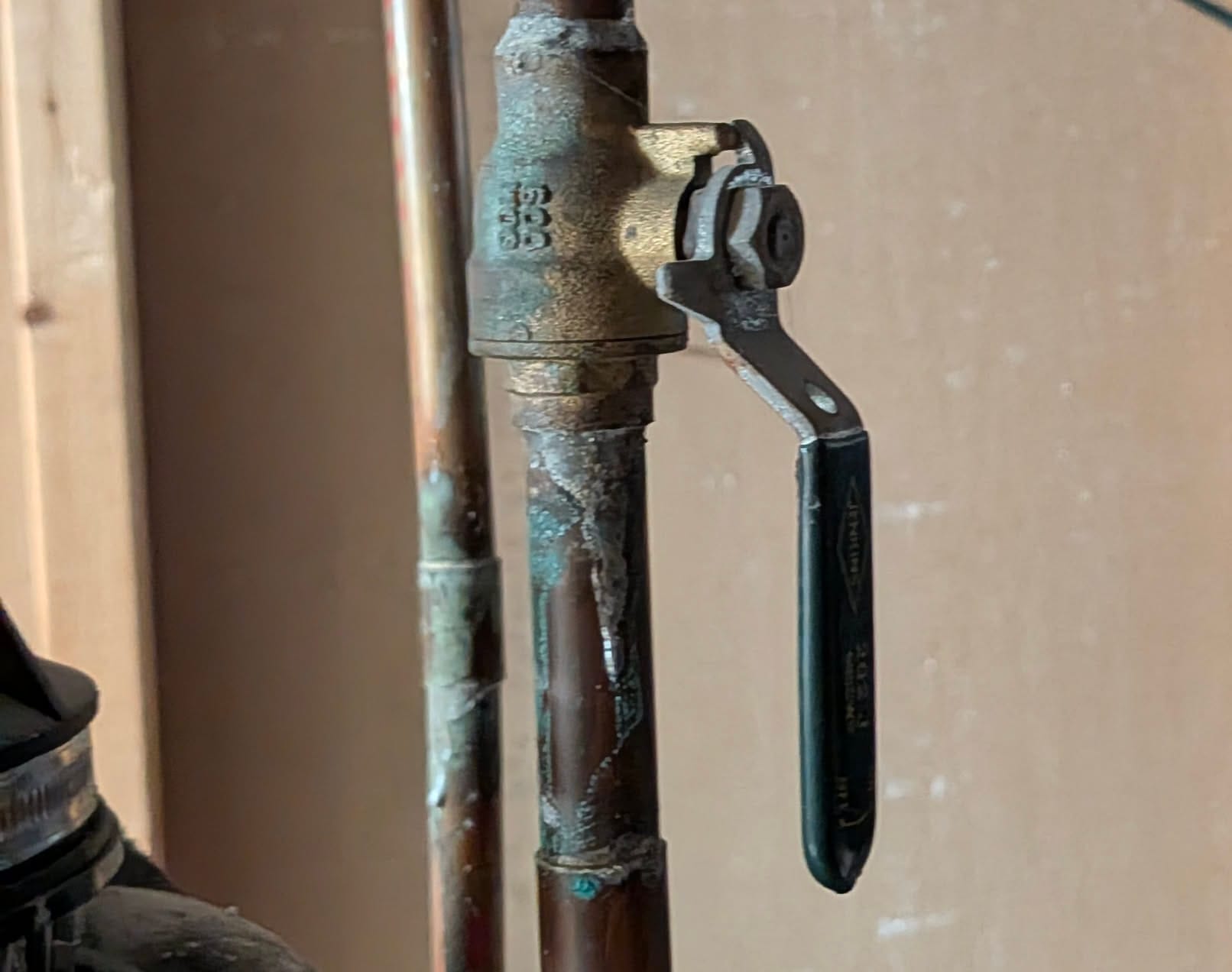
Locate the cold water shutoff valve above the tank and close it.
Step 3: Turn Off the electrical breaker for the hot water tank
Locate the hot water tank breaker in your breaker panel and turn it off. You don't want to mix water and electricity.
Step 4: Connect a Garden Hose
Attach a garden hose to the drain valve near the bottom of the tank. Run the other end to a floor drain, utility sink, or outside location where hot water can safely discharge.
Step 5: Open a Hot Water Faucet
Open a hot water tap somewhere in the house to allow air into the system.
Step 6: Drain the Tank
Open the drain valve and allow water to flow out. Depending on the amount of sediment, you may see cloudy or discoloured water initially.
For a full flush, briefly open the cold water supply valve while the drain remains open. This helps stir up and remove remaining sediment from the bottom of the tank.
Continue flushing until the water runs clear.
Step 7: Refill the Tank
Close the drain valve and disconnect the hose.
Turn the cold water supply back on and leave a hot water faucet open until water flows steadily without sputtering.
Step 8: Restore Gas Operation
Turn the gas control back to its normal setting and verify the burner ignites correctly.
If you are just flushing your tank you can end here, if not continue reading to learn how to replace your anode rod too.
How to Replace the Anode Rod
What Is an Anode Rod?
The anode rod is often called the "sacrificial rod" because it corrodes instead of your water heater tank.
Made from magnesium, aluminum, or zinc, the rod attracts corrosion-causing minerals in the water. Once the rod is consumed, the tank itself begins to rust.
Replacing a worn anode rod every few years can dramatically extend the life of your water heater.
What You'll Need
- Replacement anode rod (#adRevenue)
- 1-1/16-inch socket
- Breaker bar or impact wrench
- Teflon tape
Step 1: Reduce Tank Pressure
First follow steps 1-3 above then open a hot water faucet.
Drain a few gallons of water from the tank so the water level sits below the anode rod opening and it removes the pressure in the tank.
Step 2: Locate the Anode Rod
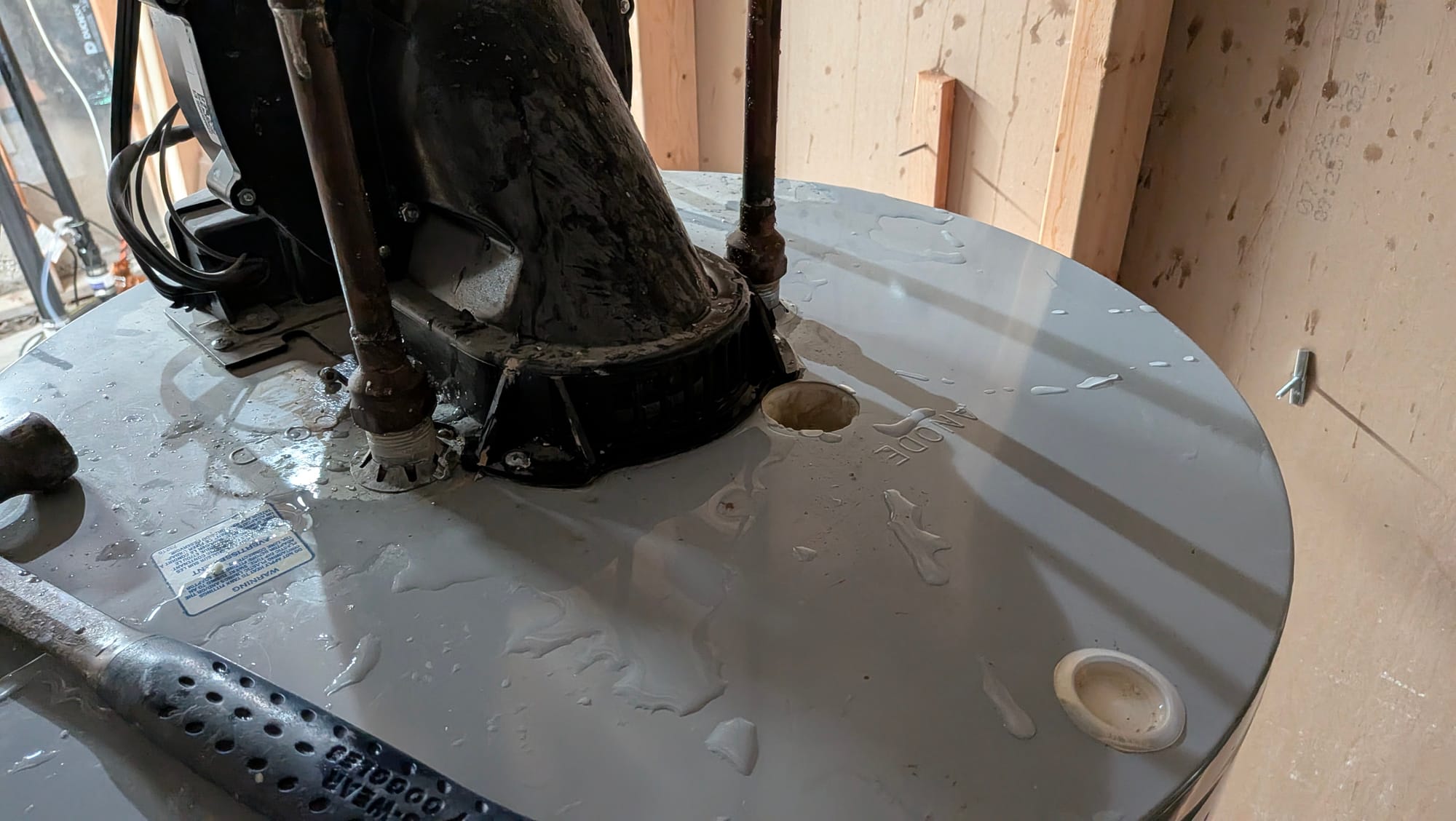
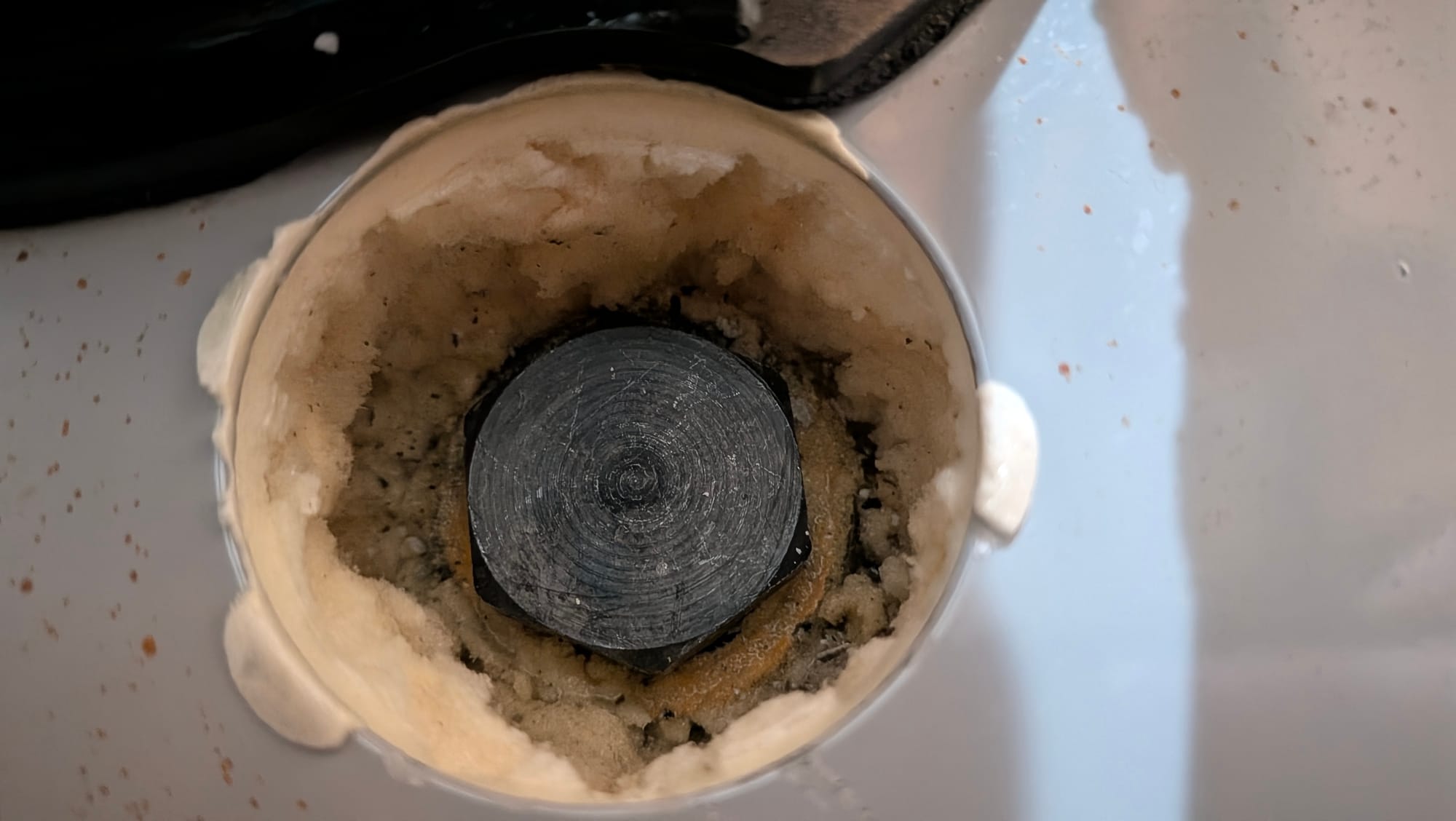
Most tanks have the anode rod installed through the top of the water heater under a plastic cap. Some models integrate the rod into the hot water outlet fitting.
Check your owner's manual if you're unsure.
Step 3: Remove the Old Rod
Using a 1-1/16-inch socket and breaker bar, loosen the rod by turning counter-clockwise.
Be prepared, many factory installed rods are extremely tight. An impact wrench or the additional use of a breaker bar or impact gun can make removal much easier. It is also helpful when the tank is mostly full of water to make sure it does not move when you are trying to do this.
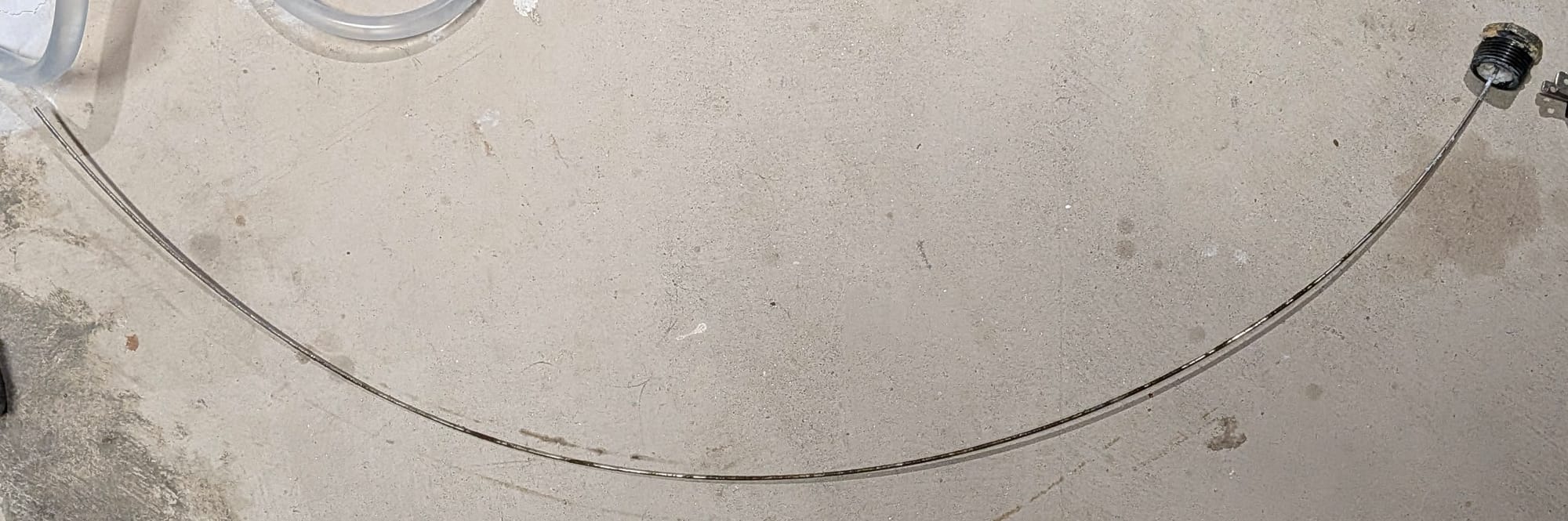
Step 4: Inspect the Rod
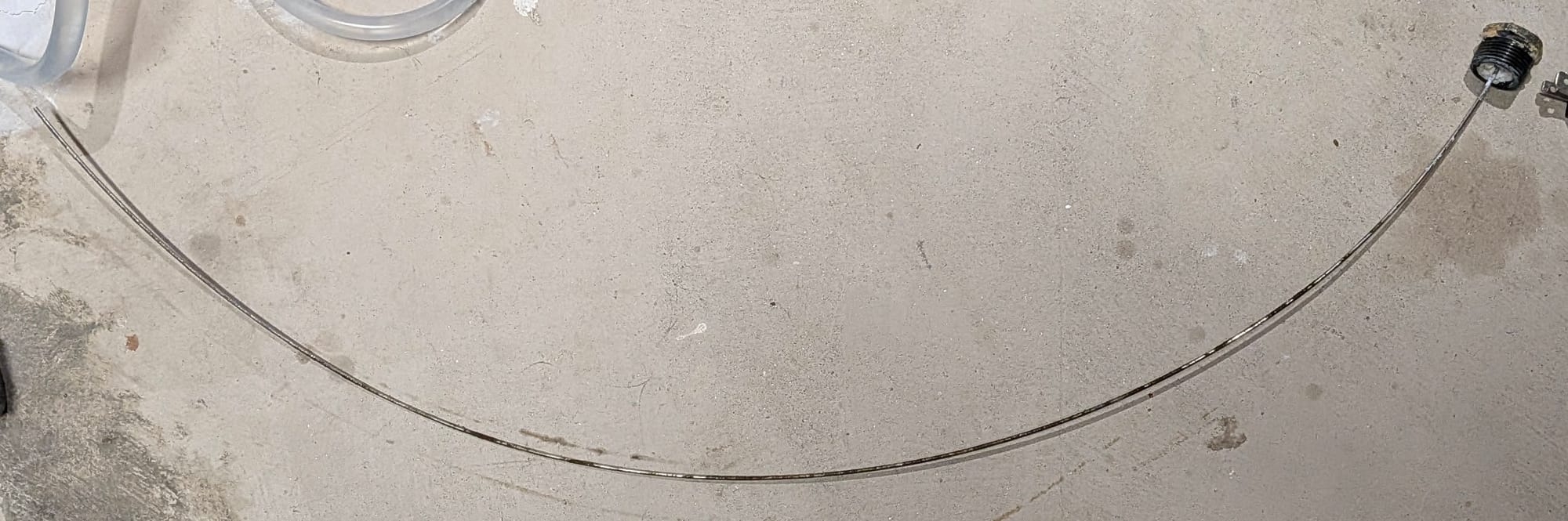
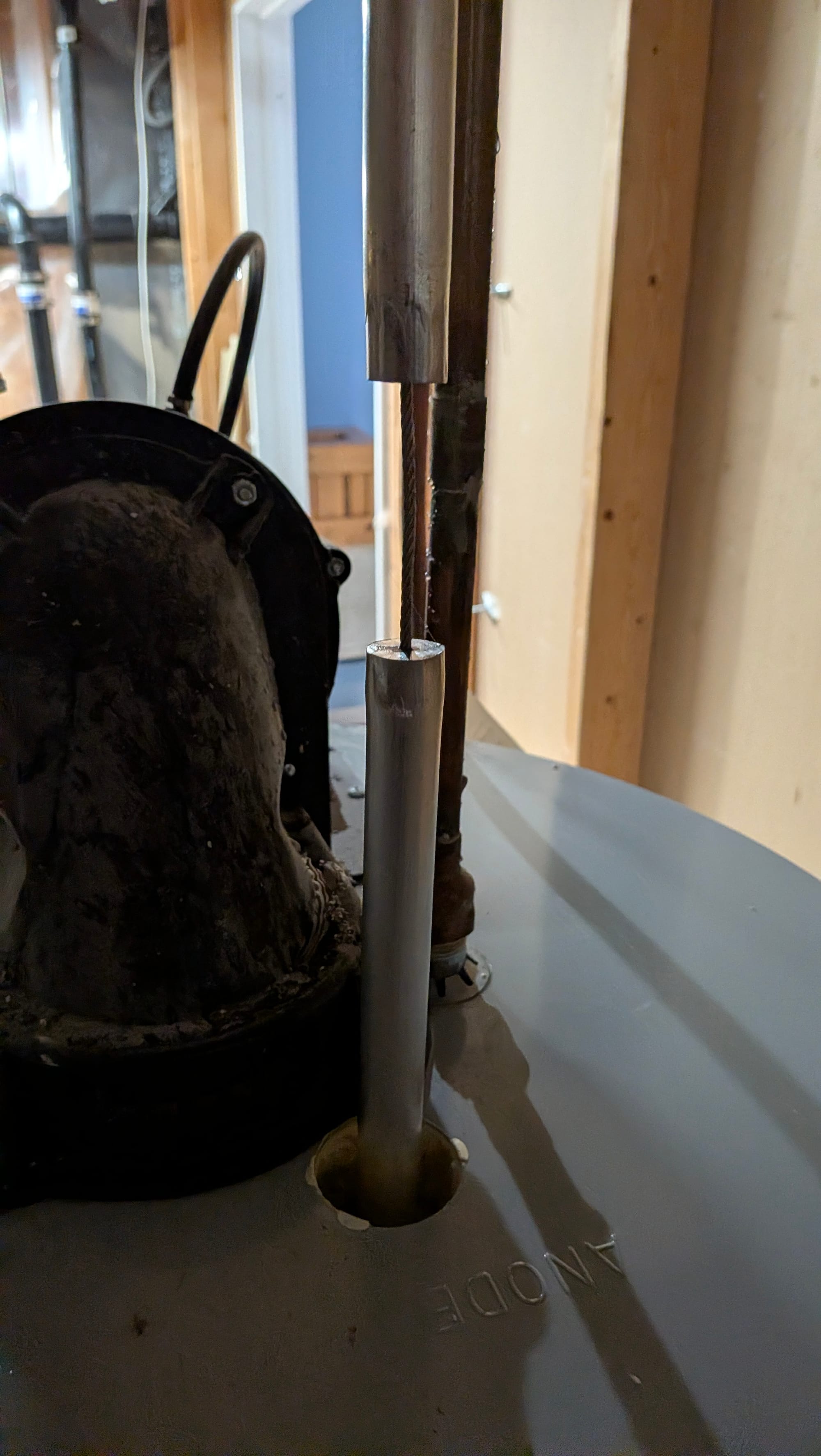
If the rod is heavily corroded, reduced to a thin wire, or mostly consumed, it was definitely due for replacement.
Step 5: Install the New Rod
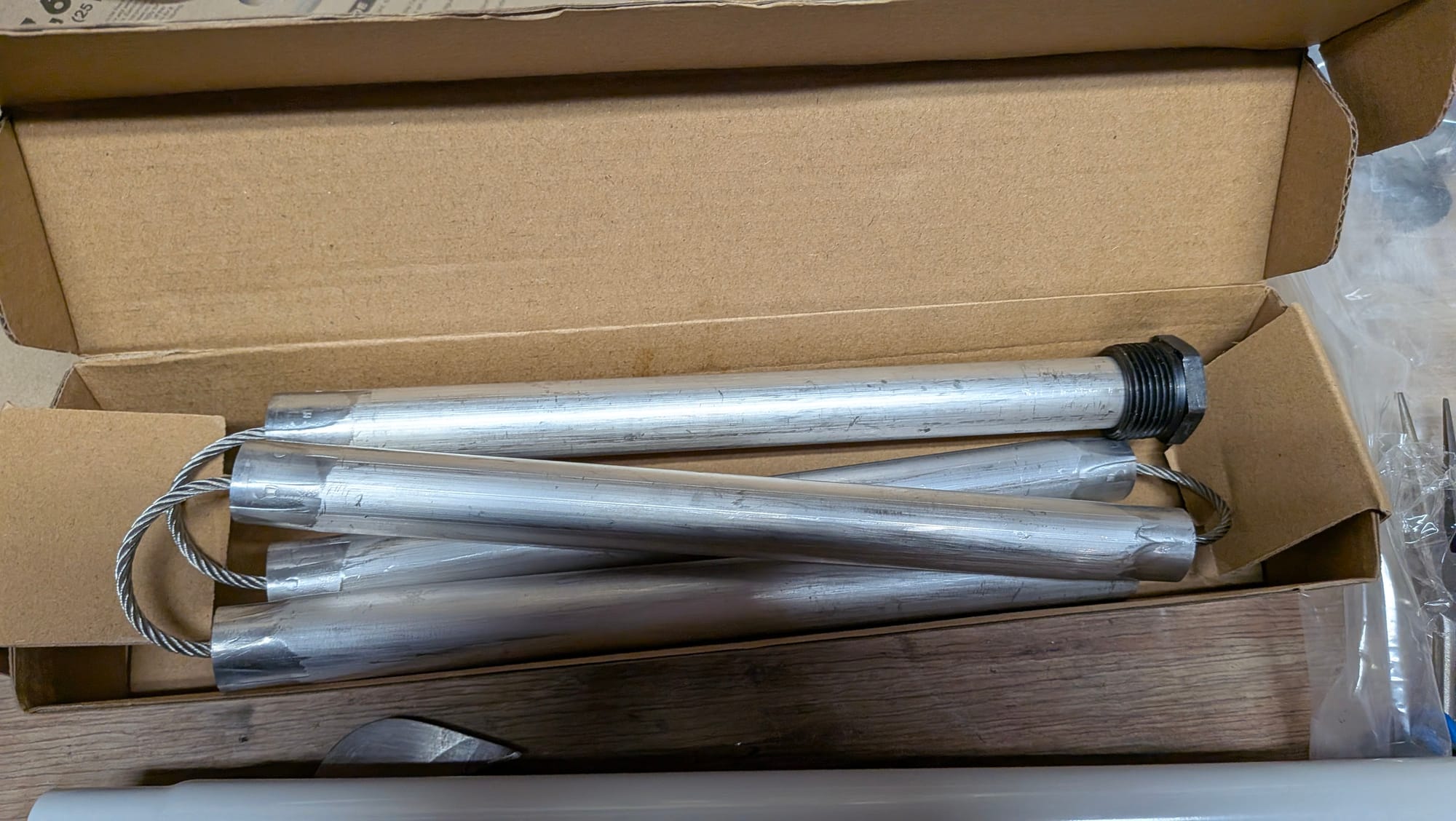
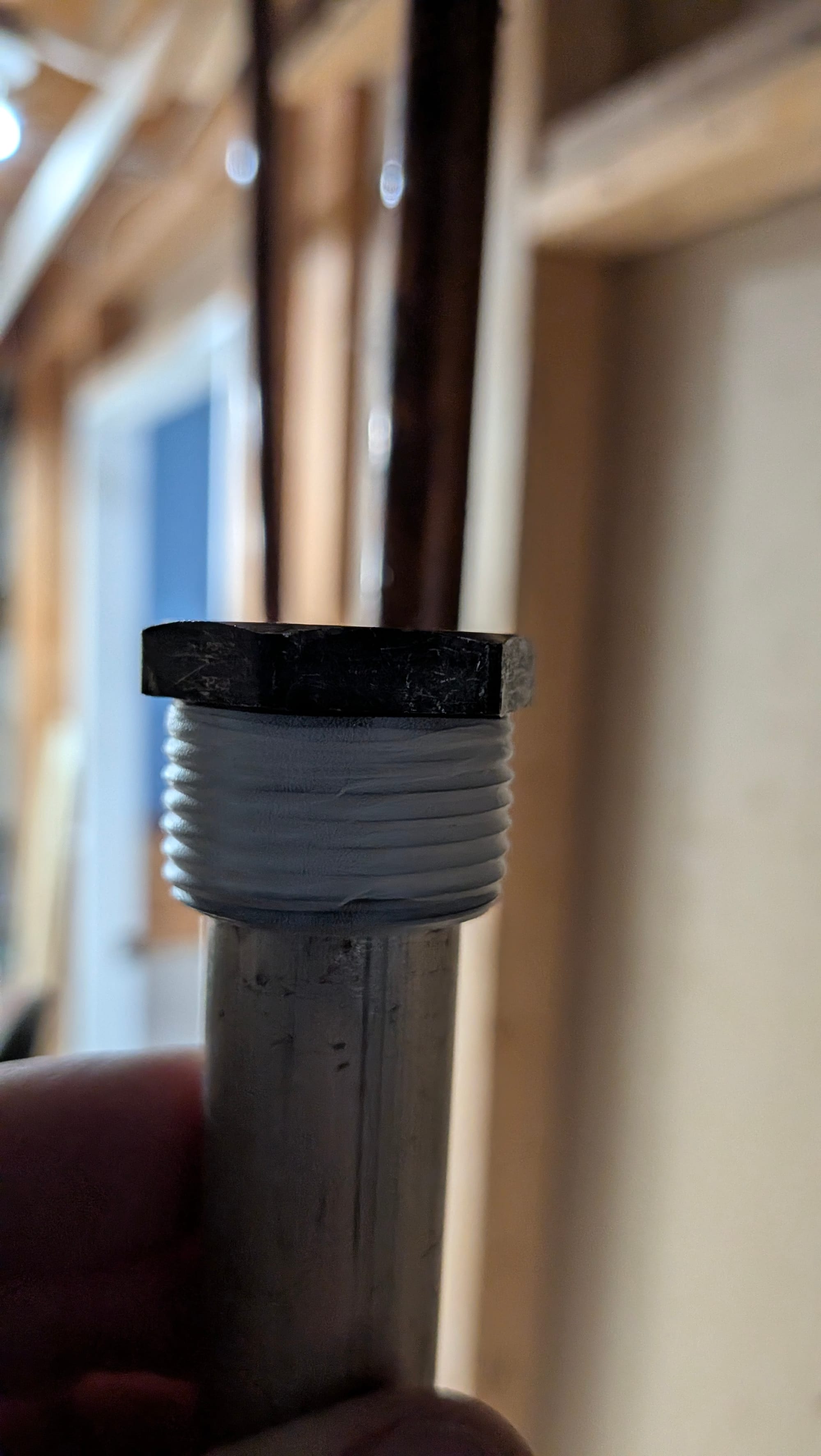
Wrap the threads with Teflon tape and install the replacement rod.
Tighten securely, but avoid excessive force. Watch later when the water is turned back on with pressure on it to see if you see bubble or hissing sound. If you do, the nut needs to be tightened more.
If overhead clearance is limited, consider using a flexible segmented anode rod designed for low-clearance installations.
Step 6: Refill and Test
Turn the cold water supply back on and purge air from the system through a hot water faucet.
Check for leaks around the new anode rod connection before restoring the gas supply.
How Often Should You Do This?
A good maintenance schedule is:
- Flush the tank annually
- Inspect the anode rod every 3–5 years
- Replace the anode rod when significant corrosion is present
Water quality plays a major role. Homes with hard water may benefit from more frequent inspections.
I will say that I have failed on this maintenance schedule but I will make sure it is done in the future. It takes about 1 hour to complete both items.
The Bottom Line
A new water heater can easily cost well over a thousand dollars once installation is included. Spending an hour each year flushing your tank and occasionally replacing the anode rod is one of the highest-return maintenance tasks a homeowner can perform.
Think of the anode rod as cheap insurance for your water heater. Replacing a $40–$80 rod every few years is far easier on the wallet than replacing an entire tank years before its time and its something you can do yourself and save about $400-500 from what a plumbing company will charge.